






How To Eat


Save yourself from chronic illness and premature death. Become a nutritarian: a person who seeks out nutrient-dense foods, while avoiding unhealthful foods. The objective is to eat less macronutrients (less protein, less carbohydrate, and less fat), but more micronutrients (naturally ocurring vitamins, minerals, and phytochemicals). This has profound benefits for your health. Even if you are young and healthy, the choices you make today will have a profound effect on your future health, and on how much enjoyment you derive from your lifetime.

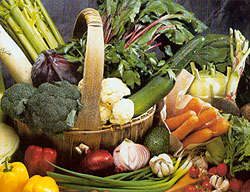
A nutritarian diet is built around green vegetables. If you stop eating all foods with added salt or sugar, then within a couple of months your tastes will return to their uncorrupted state, and vegetables will taste the way they did to our primitive ancestors--- delicious. A properly balanced nutritarian diet includes all of the following kinds of foods:         
     Cruciferous vegetables such as kale, bok choy, cabbage, cauliflower, broccoli, brussel sprouts, mustard greens, turnip greens, cauliflower, collard greens, arugula and radishes.
     Other vegetables such as spinach, Swiss chard, lettuce, tomato, carrots, green peppers, asparagus, zucchini, mushrooms, beets, celery, eggplant and cucumbers.
     Fresh fruits such as strawberries, cranberries, pomegranite juice, plums, raspberries, blueberries, grapefruit, oranges, cantaloupe, kiwi, watermelon, apple, peach, cherries, apricots, pineapple, mango, pears, melon, grapes and bananas.
     Beans and legumes such as lentils, black beans, edamame, adzuki beans, kidney beans, chickpeas and split peas. These foods contain ample amounts of protein.
     Healthy fats: avocadoes, raw unsalted seeds such as sunflower seeds, pepitas, unhulled sesame seeds, and ground flaxseed, raw unsalted nuts such as walnuts, Brazil nuts, cashews, almonds, macadamias, pistachios and pecans. Because of their caloric density, quantities of healthy fats must be limited unless weight gain is desired.
     Flavor enhancers in recipes: onions, garlic, dried fruits such as dates, apricots, raisins, and currants, cocoa powder, vanilla, lemons, limes, goji berries, vinegars (especially sweet, flavored vinegars), soy milk, vegetable juices and spices.

Optional foods can also be used, if desired, in limited quantities:         
     Tofu, plant milks such as soy milk, rice milk and almond milk.
     Whole grains such as oats, brown rice, barley, quinoa and whole wheat.
     Starches such as sweet potatoes, corn and white potatoes.
     Certain animal products, such as eggs, turkey or chicken breast, and nonfat milk or yogurt

Animal products should be eaten only in very limited quantities (10% of calories or less), if at all. Because they contain animal protein, they should be avoided by persons with autoimmune diseases.         
     Fish such as tilapia, salmon and haddock. Warning: most fish on this planet now contain mercury and other pollutants, which may pose a health risk outweighing any possible health benefits of fish. Plant alternatives rich in Omega-3 fatty acids include flaxseed and walnuts.
     Nonfat milk or yogurt, eggs, white meats such as turkey breast and chicken breast

Foods to avoid include:         
     Refined carbohydrates, oils, red meats and foods containing transfats.
     Dairy products (other than nonfat milk) such as cheese, butter, ice cream, sour cream, 2% milk and whole milk.
     Foods with added salt or sugar.
     Predator fish such as shark, swordfish, and tilefish, which have a lot of mercury.
     Beverages containing caffeine or alcohol.

A healthy diet includes both raw and cooked vegetables. Good preparation/cooking techniques include:         
     Blending fruit smoothies.
     Blending greens with fruit or other flavor enhancers.
     Blending salad dressings using nuts as the fat component.
     Steaming.
     Microwaving at medium power levels.
     Vegetable-based soups and stews.

Heating foods above the boiling point of water destroys nutrients and creates toxic compounds. Cooking methods to avoid include:         
     Frying or any other method involving heated oils.
     Baking and roasting.
     Grilling and broiling.

Adults should avoid snacking.

Vitamins and other supplements should be used very minimally.

For your best chance of a long, healthy life, combine a health-promoting nutritarian diet with a healthy lifestyle:         
     Get daily exercise, including core strengthening and cardiovascular conditioning.
     Maintain a healthy weight: a BMI between 18.5 and 25, and a small waist size. A nutritarian diet, eating only when hungry, and daily exercise will take care of this.
     Do not use tobacco, caffeine, alcohol, or other drugs. If it makes you feel different, it is toxic.
     Get adequate rest, seven or eight hours of sleep nightly.
     Pursue interesting, enjoyable work and play, but maintain a low-stress approach. Less is more.
     Avoid risky behaviors. Don't do anything that isn't smart.
     Always choose the moral, ethical course. Later, you'll be very glad you did.
     Develop good family and social relationships. Love your fellow creatures, human and animal.
     Laugh, love life, and enjoy each day to the fullest. You only have one chance, don't blow it.

For detailed information on how to change to a nutritarian eating style, including recipes, and the medical rationale for this approach to nutrition, read Eat For Health by Dr. Joel Fuhrman. His website also has a some useful free information, and many more resources available to members (there is a modest monthly charge for membership).

For the hard science behind the nutritarian diet, read The China Study by Dr. T. Colin Campbell.